



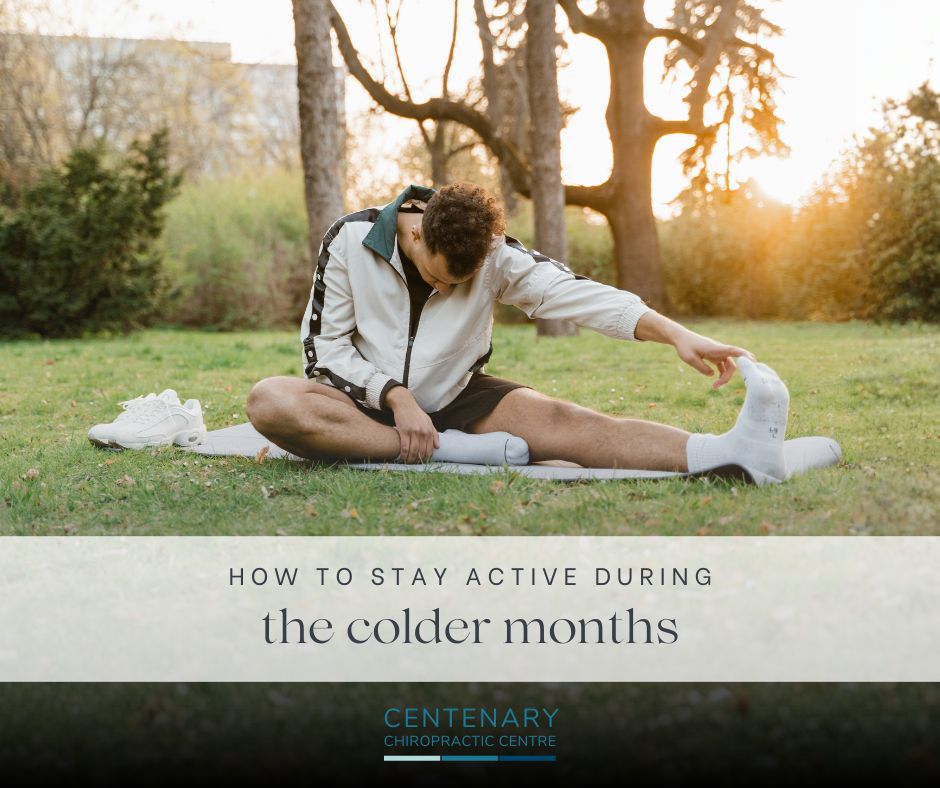
How to Stay Active During the Colder Months
Keep Your Spine Moving Well
When winter arrives, it becomes much easier to slow down. The colder mornings, shorter days, and natural urge to stay indoors can quickly reduce how much movement we get each day. Unfortunately, less movement often leads to increased stiffness, tight muscles, lower energy levels, and more aches and pains throughout the body.
For many people, the colder months are also when old injuries flare up, posture worsens, and regular exercise routines begin to fade. The good news is that staying active during winter does not have to mean intense workouts or spending hours at the gym. Small, consistent habits can help keep your body moving, support your spine, and improve your overall health and well-being right through winter.
Why Do We Feel More Stiff and Sore During Winter?
Many people notice more stiffness during winter, especially first thing in the morning. Cold temperatures can cause muscles and joints to tighten naturally, reducing flexibility and making movement feel less comfortable.
The colder weather can also affect circulation and blood flow, meaning muscles may warm up more slowly than usual. This often contributes to muscle tension, soreness, and reduced mobility throughout the day.
At the same time, people generally become less active during the colder months. Spending more time sitting indoors, working from home, or relaxing on the couch can place additional strain on the spine and surrounding muscles. Over time, inactivity can increase spinal tension and reduce your range of motion.
Why Staying Active Matters More During the Colder Months
Winter movement is not just about fitness. It is about maintaining function, mobility, and spinal health. Regular movement helps lubricate joints, improve circulation, and reduce stiffness that builds up when the body stays still for long periods.
When you stay active, your muscles and joints continue to support the spine properly. This helps reduce the risk of strain, poor posture, and lower back pain that commonly develop during winter.
Maintaining an active lifestyle also supports mental wellbeing. Exercise encourages the release of mood-supporting chemicals that help improve energy levels, motivation, and resilience during darker winter days.
Even gentle movement can make a major difference. Walking, stretching, swimming indoors, yoga, or low-impact exercise routines all help keep your body functioning well.
How Does Chiropractic Care Support Winter Wellbeing?
Many people associate chiropractic care only with pain relief, but it also plays an important role in supporting movement, posture, and injury prevention.
During the colder months, chiropractic care helps maintain spinal alignment and joint mobility when stiffness and inactivity begin to increase. Restricted joints and spinal misalignments can place additional stress on muscles, ligaments, and nerves, making everyday movement feel harder.
A chiropractor assesses how your spine and nervous system are functioning and identifies areas where movement may be restricted. Chiropractic adjustments can help restore mobility, reduce muscle tension, and improve how the body moves overall.
For people trying to maintain winter exercise routines, chiropractic care supports better movement patterns and can help reduce the risk of injury during physical activity.
How Poor Posture Gets Worse in Winter
Winter habits often lead to poor posture without people even noticing. Curling up on the couch, hunching over laptops, sitting for long periods, and staying indoors more frequently all affect spinal posture.
When posture changes, additional strain develops through the neck, shoulders, and lower back. Over time, this may contribute to headaches, muscle tightness, fatigue, and ongoing discomfort.
Cold weather can also cause people to tense their shoulders and tighten muscles unconsciously. This creates further stress throughout the spinal system.
Maintaining good posture during winter starts with awareness. Simple changes such as sitting upright, adjusting workstation ergonomics, taking regular breaks, and moving throughout the day can help reduce unnecessary tension.
Chiropractic care can help identify posture-related stress patterns before they become larger issues.
What Are the Best Winter Exercises to Keep Your Body Moving?
The best winter exercise routine is the one you can consistently maintain. Many people think they need intense workouts to stay healthy, but simple movement is often enough to support the body during winter.
Walking remains one of the most effective ways to stay active. Even short walks help improve circulation, support spinal movement, and reduce muscle tightness.
Gentle stretches are also extremely valuable during winter. Stretching helps maintain flexibility, improve range of motion, and reduce muscle tension that builds up in colder weather.
Other excellent winter-friendly exercises include:
Yoga
Pilates
Indoor cycling
Swimming in heated pools
Resistance training
Mobility exercises
Light home workouts
These activities help keep your body moving while supporting spinal alignment and muscle function.
Why Warming Up Properly Matters in Cold Weather
Cold muscles are more susceptible to strain and injury. During winter, many people jump straight into activity without warming up properly, increasing injury risk significantly.
A good warm-up increases blood flow, prepares muscles and joints for movement, and helps reduce the likelihood of sprain or muscle soreness.
This becomes especially important for active individuals participating in sports, running, or strength training during winter.
Dynamic stretches, walking before workouts, and gentle mobility exercises help prepare the body for movement. Warming up also helps reduce the shock that colder temperatures place on muscles and joints.
When the body moves more efficiently, there is less strain placed on the spine and surrounding tissues.
How Chiropractic Adjustments Help You Stay Active
Regular chiropractic adjustments help support mobility, flexibility, and overall movement quality. When spinal joints become restricted, the body often compensates through surrounding muscles and joints, leading to uneven movement patterns.
Chiropractic adjustments help restore normal movement within the spine and joints. This allows for better movement mechanics and may help reduce pain, stiffness, and muscle tension.
Many people notice they move more freely after treatment because spinal alignment and joint mobility improve.
Regular chiropractic adjustments can also complement your chiropractic exercise and movement routines by supporting recovery and helping the body adapt to physical demands more effectively.
When movement feels easier, people are more likely to stay on track with healthy routines throughout winter.
Can Chiropractic Care Help Prevent Winter Injuries?
Winter injuries are surprisingly common. Reduced activity levels, tight muscles, poor posture, and sudden bursts of physical activity all increase the risk of injury during the colder months.
Chiropractic care can help identify movement restrictions and biomechanical imbalances before they become more serious problems.
The role of chiropractic care in injury prevention focuses on improving mobility, reducing unnecessary strain, and helping the body move more efficiently.
When joints move properly and muscles are balanced, there is less stress placed on surrounding tissues. This can help prevent injuries related to poor movement patterns or reduced flexibility.
Chiropractors can help people maintain movement quality whether they are walking regularly, exercising, playing sports, or simply trying to stay healthy during winter.
Why Hydration Still Matters in Winter
Many people forget about hydration during winter because they do not feel as thirsty as they do in summer. However, hydration remains essential for joint health, muscle recovery, circulation, and spinal function.
Dehydration may contribute to fatigue, muscle tightness, and increased stiffness throughout the body. Spinal discs also rely on hydration to maintain cushioning and flexibility.
Even mild dehydration can affect physical performance and recovery.
Drinking water consistently throughout the day helps support muscles and joints while improving overall energy levels. Warm herbal teas and water-rich foods can also contribute to hydration during winter.
Combined with movement and chiropractic care, proper hydration supports better recovery and helps keep your body functioning well.
Listening to Your Body During Winter
One of the biggest mistakes people make during winter is ignoring early warning signs from the body. Tightness, soreness, reduced mobility, or ongoing fatigue are often signals that the body needs more movement, recovery, or support.
Learning to listen to your body helps reduce the risk of overdoing activity or allowing small issues to worsen over time.
If discomfort persists, it may be time to seek professional support. Chiropractic care can play an important role in helping identify the source of movement restrictions or ongoing tension before they become larger problems.
A proactive approach to winter wellbeing helps people stay healthy, active, and functioning at their best.
How to Build a Winter Wellbeing Routine That Lasts
Consistency matters far more than perfection. Winter wellbeing routines should feel realistic, manageable, and sustainable.
A good wellbeing routine may include:
Daily walking
Gentle stretches
Strength exercises
Mobility work
Better posture habits
Adequate sleep
Regular movement breaks
Chiropractic care
Healthy hydration habits
The key is creating routines that help you maintain movement even when motivation is low.
Small habits performed consistently often create better long-term results than short bursts of intense exercise followed by inactivity.
Incorporating chiropractic care into a regular wellbeing routine can support spinal alignment, movement quality, and overall recovery throughout the colder season.
Why Staying Active Supports the Spine and Nervous System
The spine and nervous system work together to control movement, balance, coordination, and overall function throughout the body.
When movement decreases, the body often becomes tighter and less adaptable. Restricted spinal movement can place additional pressure on joints and muscles while affecting posture and mobility.
Staying active helps maintain spinal flexibility and encourages healthy nervous system function.
Movement also stimulates circulation and helps nutrients reach muscles, joints, and spinal tissues more effectively.
Whether it is walking, stretching, strength training, or simply moving more throughout the day, activity helps support spinal health and overall well-being.
We’re Here To Help!
Winter does not have to mean months of discomfort, inactivity, or worsening stiffness. Small daily habits can make a major difference in how your body feels throughout the colder months.
By prioritising movement, maintaining good posture, staying hydrated, and supporting your body with chiropractic care when needed, you can continue moving well all winter long.
Chiropractic care helps support mobility, reduce muscle tension, improve spinal alignment, and help you maintain an active lifestyle even during colder weather.
The goal is not perfection. The goal is simply to keep moving, stay consistent, and support your body before small issues become bigger problems.
As your local chiropractor for Camira and surrounding areas, we are here to help you stay healthy, moving well, and feeling your best this winter. If you are experiencing stiffness, tension, reduced mobility, or discomfort during the colder months, our team can support you with personalised chiropractic care tailored to your needs.
Book online here or give us a call today on 07 3381 0440 to start supporting your winter wellbeing.
References
Australian Chiropractors Association — Physical activity and spinal health information available through the Australian Chiropractors Association.
Australian Chiropractors Association
World Health Organization — Guidance on physical activity, mobility, and overall musculoskeletal health.
World Health Organization Physical Activity Guidelines